A few years ago, artificial intelligence was something most people read about. In 2026 it is something most people use, often without noticing. It sorts your inbox, suggests the next song, cleans up your photos, answers questions in plain language and, in a growing list of cities, drives the car that takes you home.
The change has been unusually fast. Stanford University's 2026 AI Index reports that generative AI reached 53% adoption within three years, faster than the personal computer or the internet, and that 88% of organisations now use AI in some form. This guide walks through where AI shows up in everyday life, what it actually does, where it still goes wrong and how to get the benefits without the pitfalls.
AI in your pocket: phones, search and assistants
The smartphone is where most people meet AI every day. Recent phones can summarise long messages, suggest replies, transcribe voice notes and calls, translate conversations as they happen and remove unwanted objects from photos. Many of these features now run partly on the phone itself, which makes them faster and keeps more personal data on the device.
Chat assistants have become a mainstream way to look things up, draft emails, plan trips or get a recipe from whatever is in the fridge. OpenAI said in February 2026 that ChatGPT had reached 900 million weekly active users, up from 800 million in October 2025. Search engines also put AI-written summaries above the traditional list of links, changing how people find information online.
- Writing help: drafting, rewriting and proofreading messages and documents
- Photo and video editing: removing objects, fixing lighting and creating captions
- Live translation and transcription for calls, lectures and travel
- Accessibility: describing images and reading text aloud for people with low vision
- Everyday planning: recipes, travel itineraries, budgets and shopping lists
Getting around: navigation and driverless taxis
AI has quietly shaped travel for years. Navigation apps use machine learning to predict traffic and estimate arrival times, and airlines and delivery companies use it to plan routes. The most visible change in 2026 is the fully driverless taxi.
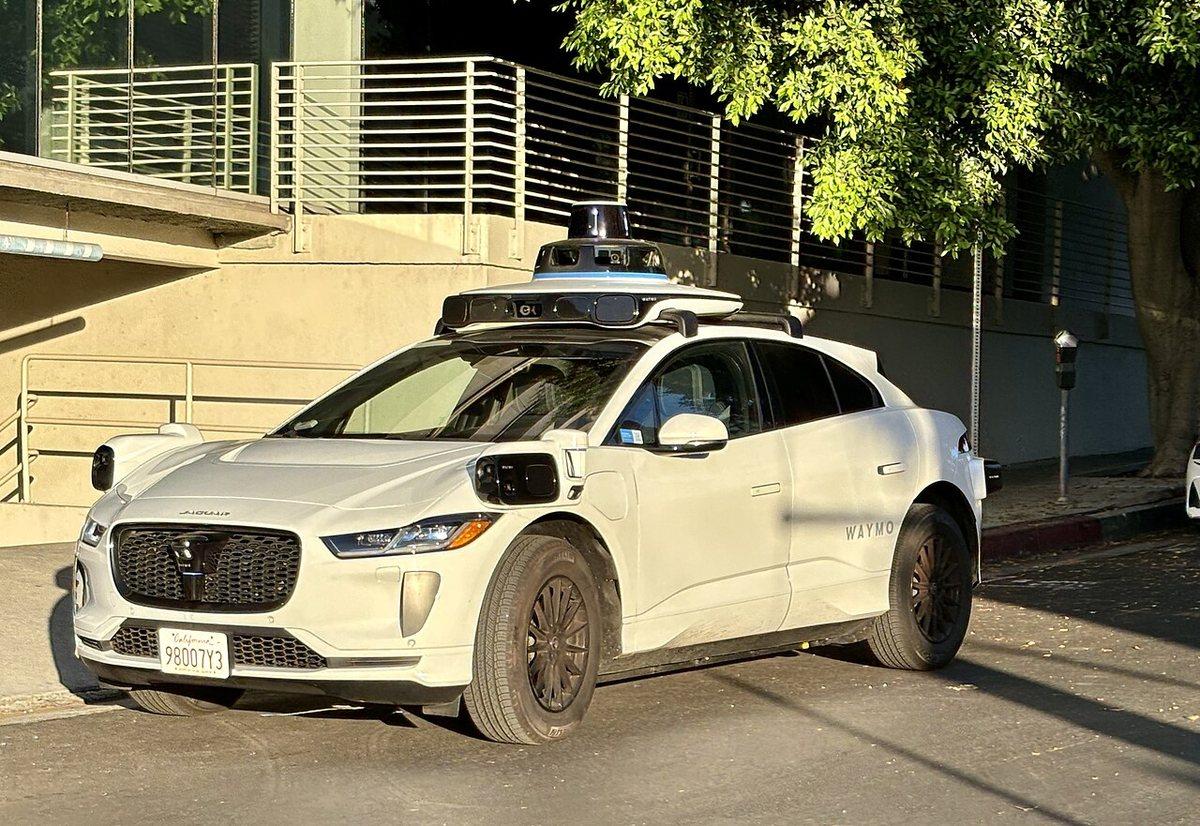
Waymo says it now delivers more than 500,000 fully autonomous trips per week in the United States. Its service started in Phoenix and has expanded to cities including San Francisco, Los Angeles and Austin; in February 2026 riders in Dallas, Houston, San Antonio and Orlando were able to book driverless rides for the first time. For many residents of these cities, a car with nobody in the driver's seat is now an ordinary sight.
Health: faster scans and new science
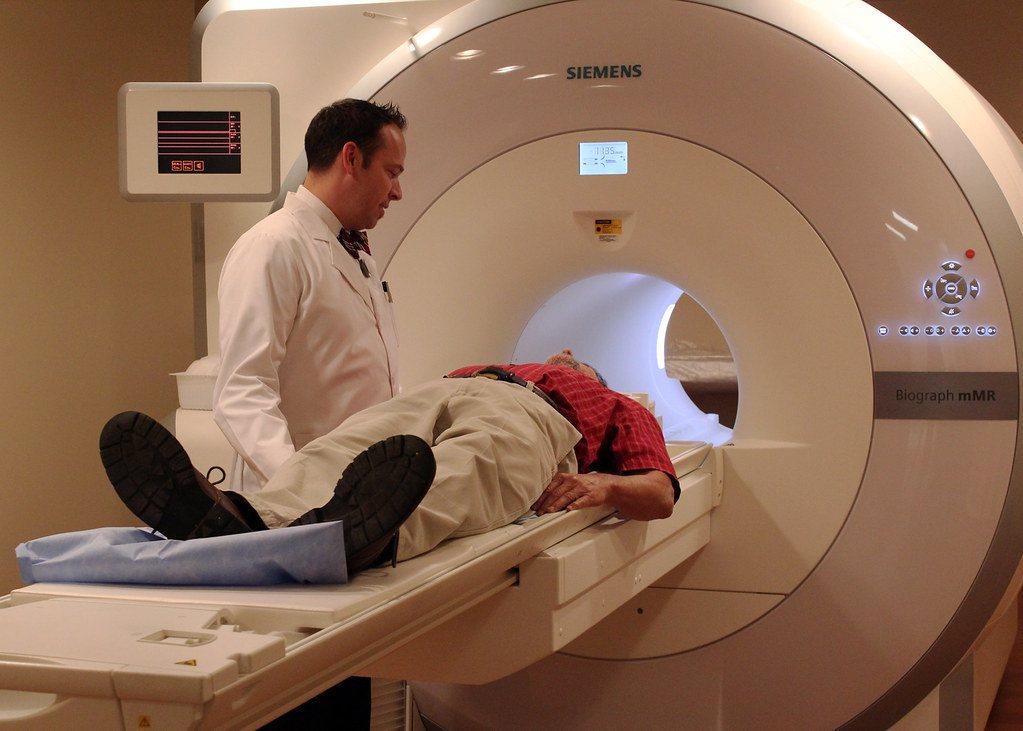
In medicine, AI mostly works behind the scenes as an assistant to clinicians. The US Food and Drug Administration keeps a public list of AI-enabled medical devices authorised for sale, and it has grown to well over a thousand entries. The large majority are in radiology, where software can flag a possible problem on an X-ray, CT or MRI scan so that a specialist looks at it sooner. The FDA notes that the list is not exhaustive, so the real number of tools in use is higher.
AI is also changing the science behind medicine. The 2024 Nobel Prize in Chemistry was shared by David Baker for computational protein design and by Demis Hassabis and John Jumper of Google DeepMind for AlphaFold, an AI system that predicts the 3D shape of proteins. Knowing a protein's shape helps researchers understand diseases and design new medicines.
Learning: homework help and new questions for schools
Students were among the fastest adopters. In a Pew Research Center survey of US teens aged 13 to 17, carried out in autumn 2025, 54% said they had used AI chatbots to help with schoolwork, including 10% who said they use them for all or most of it. Used well, AI can explain a hard topic in a different way, quiz a student before a test or give feedback on a draft.

The same tools raise hard questions about cheating, over-reliance and whether students are really learning. Schools and universities are writing policies on when AI help is allowed, redesigning assignments and teaching students to check AI answers instead of copying them.
Work: assistants in almost every job
With most organisations now using AI, many people meet it at work before they meet it at home. Common uses include summarising meetings, drafting reports and emails, answering customer questions, analysing spreadsheets and helping programmers write and review code. Stanford's AI Index notes that AI coding assistants improved dramatically in 2025 on standard software-engineering tests.
Opinions about what this means for jobs are divided. In the 2026 AI Index, 73% of AI experts expected AI to have a positive effect on how people do their jobs, compared with only 23% of the public. For most workers today, AI changes tasks within a job rather than replacing the job outright, and knowing how to use it well is becoming a valuable skill.
Home, entertainment and money
Some of the most familiar uses of AI are also the oldest. Streaming services and music apps use it to recommend what to watch or hear next, email services use it to catch spam, and banks use it to spot unusual card payments that might be fraud. Smart speakers, thermostats and cameras use it to understand voice commands and recognise what they see.
Criminals use AI too. Cloned voices, fake videos and polished scam messages are cheaper to make than ever, which is why banks and consumer agencies advise people to verify unexpected requests for money through a second, trusted channel, even when the voice on the phone sounds familiar.
The costs and concerns
AI's rapid spread has brought problems that are now part of everyday conversations about technology.
- Mistakes: chatbots can produce false information that sounds convincing, sometimes called “hallucinations”.
- Privacy: what you type or upload may be stored or used to improve products, depending on the service and your settings.
- Bias: systems trained on skewed data can treat people unfairly, for example in hiring or lending.
- Misuse: Stanford's AI Index counted 362 documented AI incidents in 2025, up from 233 in 2024.
- Energy: AI needs large data centres that use a lot of electricity.
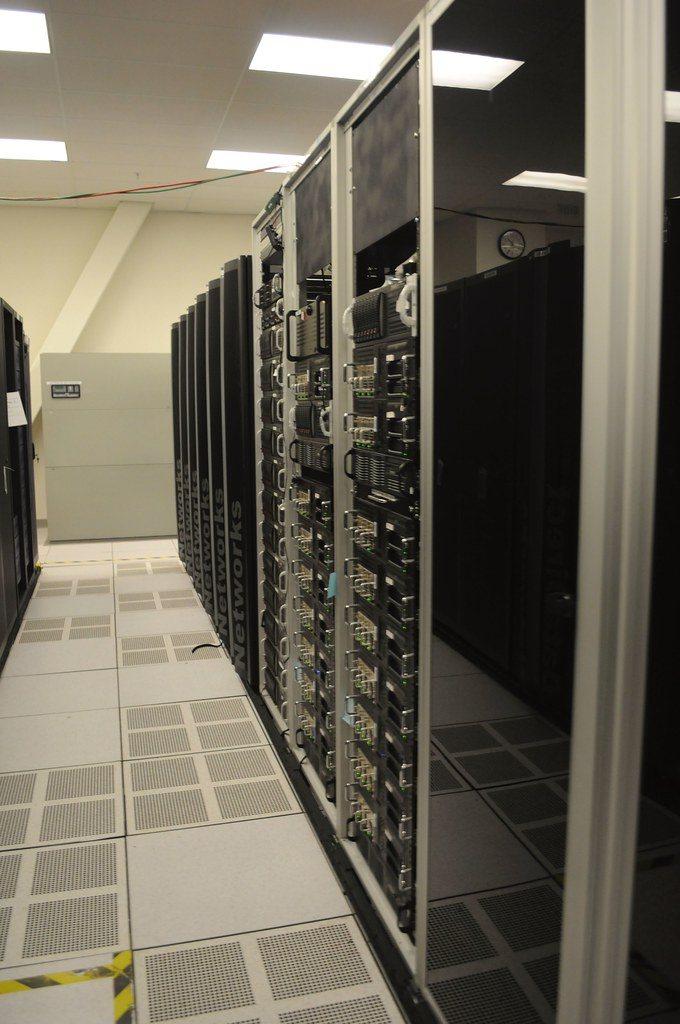
The energy question is growing quickly. The International Energy Agency estimates that data centres used about 485 terawatt-hours of electricity in 2025 and expects that to roughly double to around 950 TWh by 2030, about 3% of global electricity demand. Not all of that is AI, but AI servers are the biggest single driver of the growth.
The rules are catching up
Governments are moving to set limits. The European Union's AI Act, which entered into force in August 2024, is the most comprehensive AI law so far. Bans on the most harmful uses, such as social scoring, have applied since February 2025, and rules for general-purpose AI models followed in August 2025.
In July 2026 the EU adopted a “Digital Omnibus” that adjusted the timetable. Strict rules for high-risk AI used in areas such as hiring, education, credit and border control now apply from 2 December 2027, and from August 2028 for AI built into regulated products. The same law adds a ban on AI systems that create non-consensual intimate images, applying from December 2026. Other countries, including the United States and China, are taking different approaches, so the rules you live under depend on where you are.
How to use AI wisely in everyday life
- Check important facts against a trusted source before you act on them.
- Don't paste passwords, ID numbers, medical records or other sensitive data into chatbots.
- Review the privacy settings of the AI tools you use and switch off training on your data if you prefer.
- Be suspicious of urgent requests for money, even from familiar voices or faces, and call back on a number you trust.
- Use AI to learn and draft, not to think for you: ask it to explain its reasoning and challenge its answers.
- Say when you have used AI in school or work where your school or employer requires it.
What comes next
The next stage of everyday AI is already visible: assistants that can act on your behalf, more features running privately on personal devices, and driverless services spreading to new cities. The technology is improving faster than the habits, rules and infrastructure around it, which is why understanding how it works matters as much as using it.
Want to see how much you already know? Test yourself with the Brainizz artificial intelligence and technology quizzes linked below.